Should You Wax Your Skis Before Summer?
Absolutely. One of the easiest ways to protect your skis during the off-season is with a storage wax. Unlike a normal hot wax, storage wax is left on the bases instead of being scraped off. That extra layer seals the bases, helping prevent them from drying out or oxidizing during months of storage. Just remember to have the wax scraped before your first ski day next winter.
Don't Forget Your Bindings
Bindings are one of the most overlooked pieces of ski equipment, but they're also one of the most important for your safety. Manufacturers recommend having your bindings inspected and mechanically tested every season. During an ASTM release test, a certified technician checks that the bindings release within the proper range and that critical components, including the release springs, are functioning correctly. If your bindings are several seasons old or you've taken a hard fall, this inspection becomes even more important.
Ski Boot Care: The Most Neglected Piece of Equipment
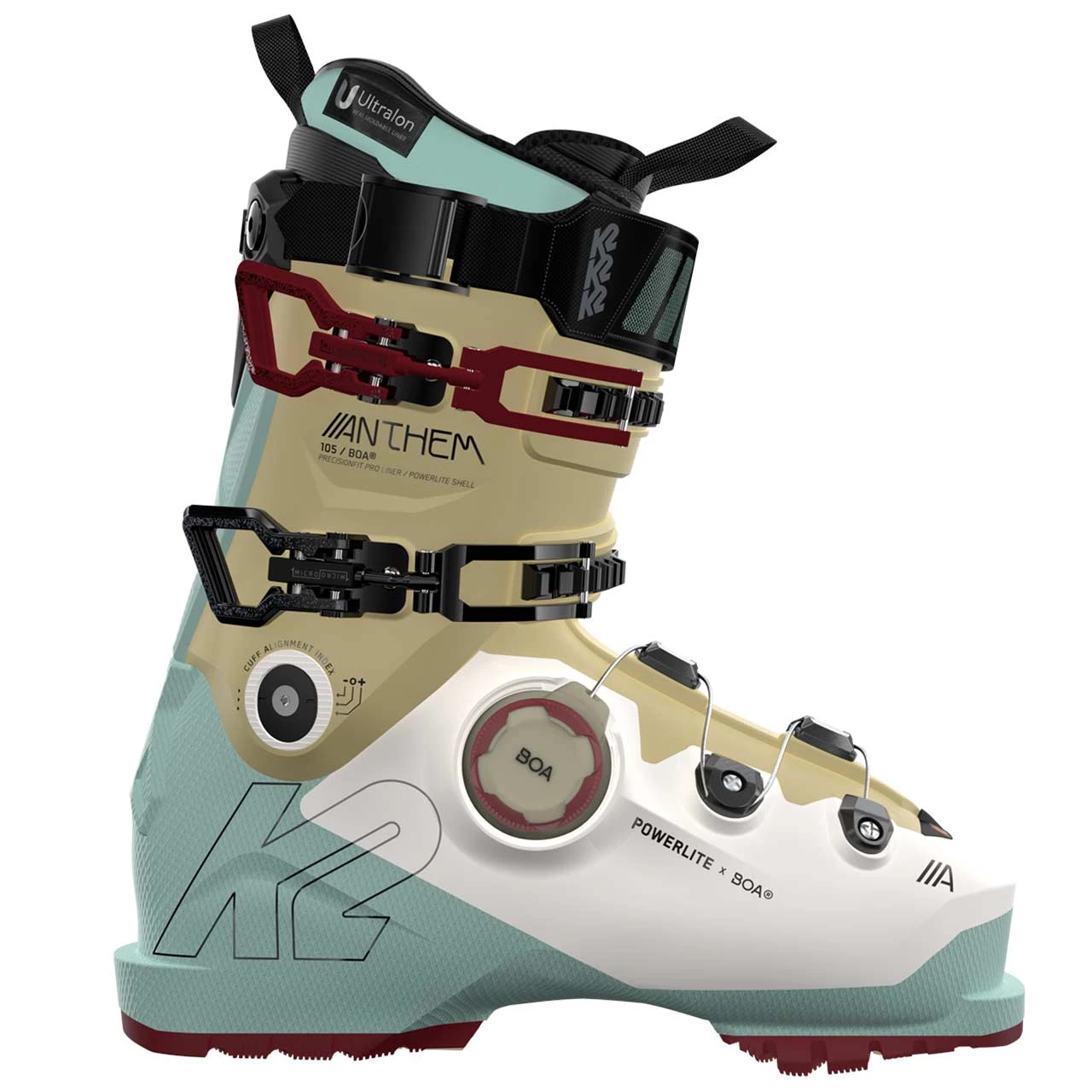
Your ski boots work harder than almost any other piece of equipment you own. Moisture, sweat, dirt, temperature swings, and constant flexing all take a toll over time. Fortunately, a few simple habits can dramatically extend their lifespan.
Always Dry Your Liners
After every ski day, dry your boots on a boot dryer if possible. If not, open the boots so moisture can escape.Never leave wet boots zipped inside your ski bag for several days. Trapped moisture creates odor, encourages bacteria, and can eventually break down liner materials.
Buckle Your Boots for Storage
One mistake we see every spring is boots being tossed into the garage completely unbuckled. Store your boots with every buckle lightly closed. Not cranked down tight, just snug enough to help the plastic shell maintain its intended shape throughout the off-season. Leaving buckles completely open for months can allow the shell to slowly deform over time.
Store Boots Somewhere Climate Controlled
Avoid:
- Hot attics
- Damp basements
- Unheated sheds
- Direct sunlight
- Areas where rodents can get inside
Instead, choose a cool, dry indoor location with relatively stable temperatures. If you must store boots in a garage, place them inside a sealed plastic tote to help protect them from moisture and curious critters.
Check Your Boot Soles
Walk enough parking lots and eventually every boot sole wears down. Most alpine boots use replaceable toe and heel soles. If these become excessively worn, your bindings may no longer release properly. Rental shops may refuse to mount worn boots into rental skis because the boot no longer meets release specifications. Replacing worn boot soles is far less expensive than replacing an entire pair of boots.