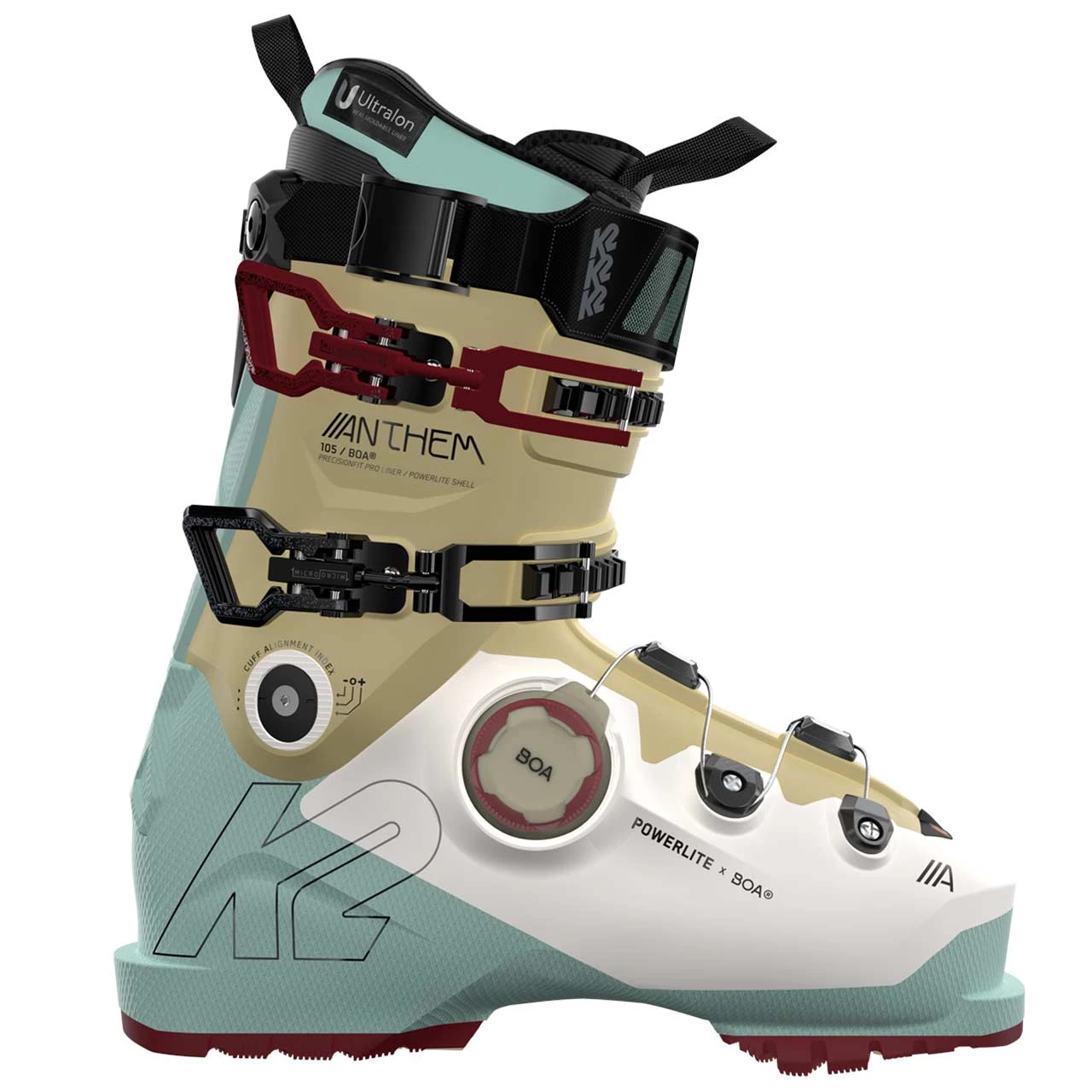
A ski jacket needs to keep you dry. A ski boot needs to support your foot and work correctly with your binding. And equipment built for mountain conditions needs to hold up to repeated use.
Those performance requirements are also where a useful conversation about sustainability begins. Choosing gear that fits, performs, and stays in service can help avoid unnecessary replacement. New materials, better repair options, and more effective recycling systems can improve what happens along the way.
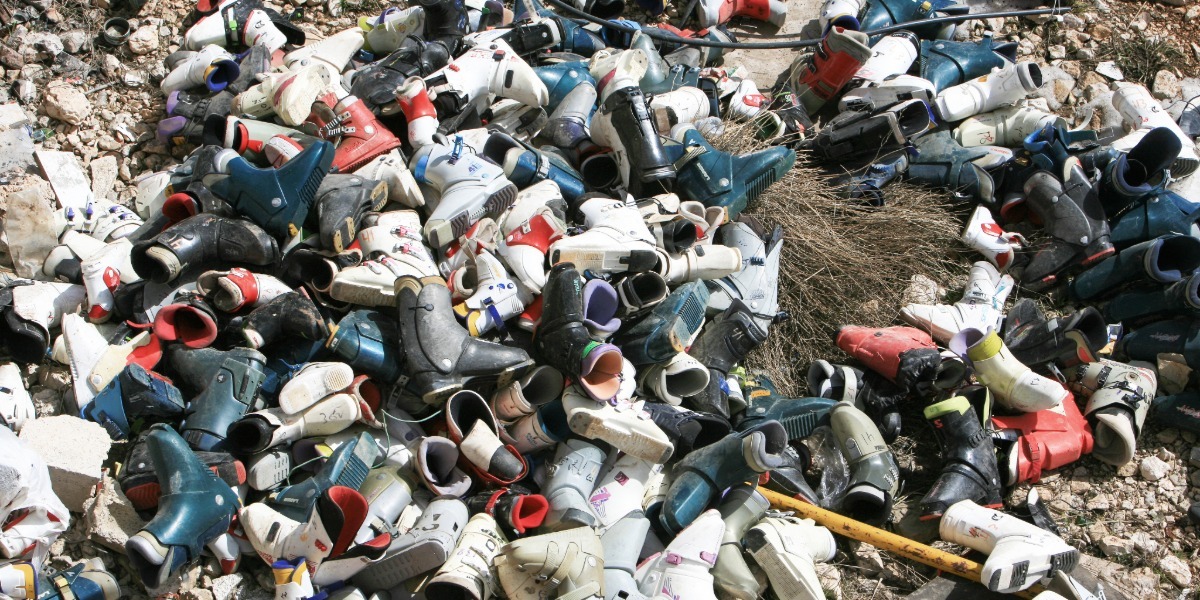
For the 2026–27 winter season, there is meaningful progress to examine, from changes in waterproofing chemistry to ski boots recovered for use in new equipment. There are also important limits behind some familiar environmental claims.
Here is what matters, what is changing, and how to make more informed choices.
Key Takeaways
-
Durability, appropriate fit, care, and repair belong alongside material choices when evaluating gear.
-
Recycled content and recyclability describe different things.
-
Ski boot and ski recycling projects are advancing, but collection access remains a practical limitation.
-
Specific environmental measurements are more useful than broad sustainability language.
-
Gear is one part of the picture. Resort operations, transportation, and climate policy also deserve attention.
Start with Gear You Will Actually Use
A jacket that restricts your shoulders or a boot that does not match your foot can become an expensive purchase you avoid using. Before comparing sustainability claims, assess whether the product suits your skiing, your body, and the conditions you encounter.
For women, that means looking beyond a size label. Check sleeve reach with your arms extended, room for layers, pant mobility, and boot fit through the foot, ankle, and lower leg.
The practical goal is to choose thoughtfully enough that the gear earns a long working life. Professional women’s ski boot fitting can help establish whether a boot is appropriate and whether adjustments could resolve problems with an existing pair.