A Perfect Day in Leadville, Colorado: Mining History, Mountain Trails & High-Altitude Adventure
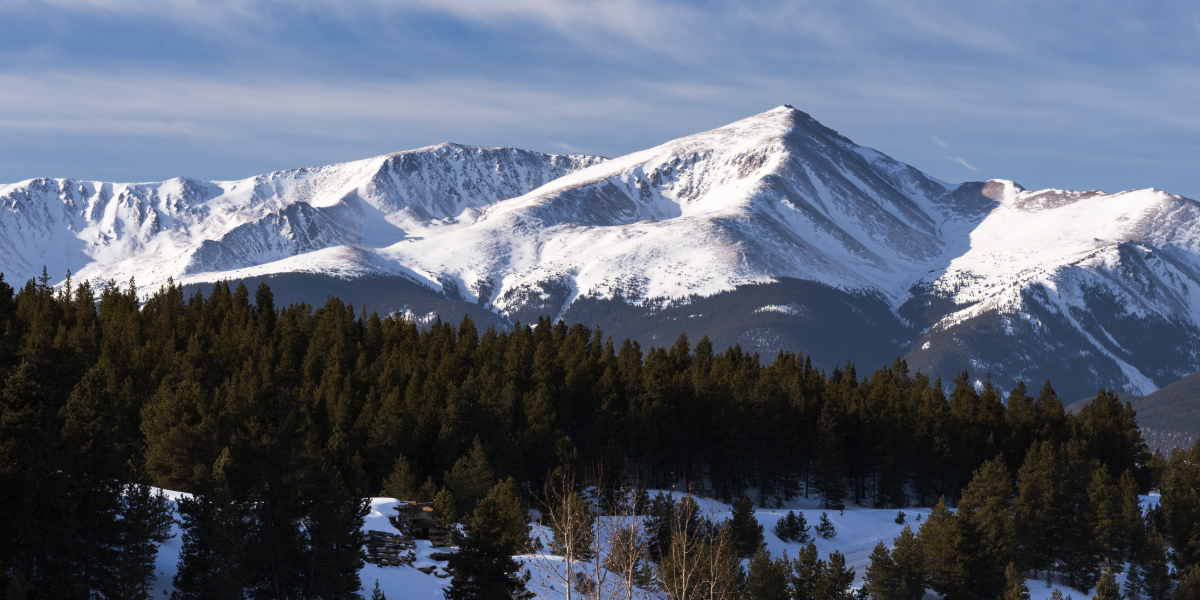
At approximately 10,152 feet, Leadville is the highest incorporated city in North America. Its Victorian downtown sits beneath the Sawatch Range, where Colorado's tallest peaks frame a community shaped by mining, mountain sports, and an independent spirit.
Come for a ski weekend, a summer trail adventure, or a day spent exploring Harrison Avenue. You can start with locally roasted coffee, discover the story behind the famous Melanzana fleece, and choose between museums, mountain trails, and a scenic train ride.
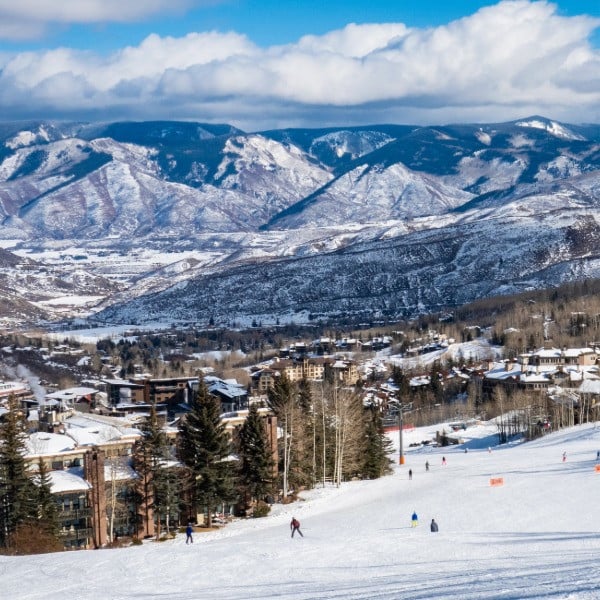
Leadville is also a practical place to stay for skiing. Ski Cooper is about 15 minutes from town, Copper Mountain is approximately 23 miles away, and Vail is roughly 44 miles away.
Start with Coffee at City on a Hill
Begin at City on a Hill Coffee & Espresso at 508 Harrison Avenue.
The specialty coffee roaster and café is an easy downtown gathering point before a day outdoors. Order an espresso drink or brewed coffee, then choose breakfast from the Leadville menu, which includes options such as quiche.
It is a good place to ease into town before heading to the slopes or committing to a longer adventure. Pick up a bag of beans for home if you want a souvenir you will actually use.
Stroll Historic Harrison Avenue
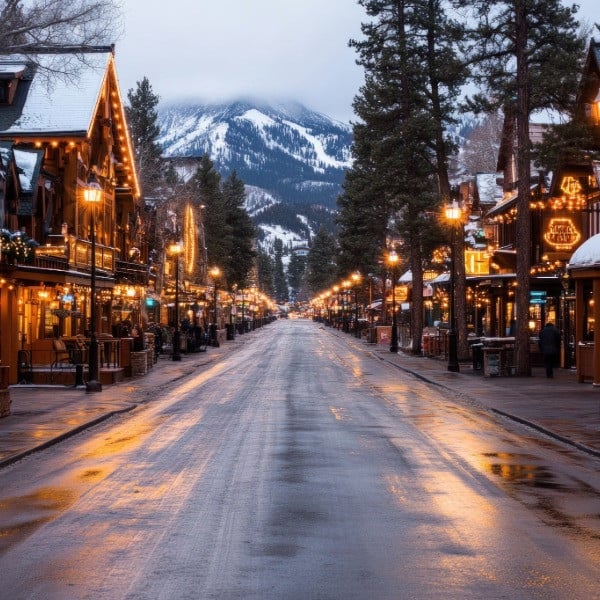
Leadville's main street still reflects the ambition of its silver-boom years.
Brick storefronts, historic buildings, independent shops, galleries, and restaurants line Harrison Avenue. Look above the shop windows to appreciate the architectural details, then wander the side streets for another perspective on this compact downtown.
Mining wealth brought more than prospectors to Leadville. It also financed institutions meant to turn a remote mountain settlement into a substantial city.
One of the most striking examples is the Tabor Opera House, built by mining magnate Horace Tabor in 1879. Its history and surviving theatrical heritage offer a glimpse of how ambitious Leadville was during the boom.
Check tour information and performance schedules before visiting, since access varies seasonally.
Discover Melanzana & the Famous “Melly” Fleece
A few blocks along Harrison Avenue, Melanzana has become a destination in its own right.
The company's story began in Leadville in 1994, when Fritz Howard and his childhood friend Kevco started making outdoor clothing under the name Eggplant. The name later became Melanzana, Italian for eggplant, but the commitment to simple gear and local manufacturing remained.
Read the Melanzana history and you will find a story of gradual growth, resourcefulness, and building a business around life in a real mountain community.
Today, its best-known piece is the Micro Grid Hoodie, affectionately called a “Melly.” The soft fleece has earned an enthusiastic following among hikers, skiers, runners, and people who simply want a comfortable layer for everyday mountain life.
The company's fabric information describes its classic Micro Grid as lightweight fleece now made with 100% recycled polyester fiber. Melanzana continues to manufacture its apparel locally in Leadville.
Plan Your Melanzana Visit
Shopping here takes some planning. The full product line is available through appointment-only shopping, while a separate walk-in area carries a limited selection of hats, socks, overstock, vintage pieces, and other items.
Check the current shopping rules and appointment calendar before your trip. Walk-in stock is not guaranteed, so book ahead if buying a particular fleece is a priority.
Explore Leadville's Mining History
Leadville's landscape and downtown make more sense when you understand the mining story behind them.
Gold discoveries drew prospectors to the area before silver transformed Leadville into a major boomtown in the late 1870s. The resulting wealth shaped its buildings, businesses, and reputation, while the downturn that followed exposed how dependent the community was on mining.
Begin at the National Mining Hall of Fame and Museum. Exhibits explore mining's people, equipment, geology, and influence on everyday life, offering context that goes well beyond a collection of old tools.